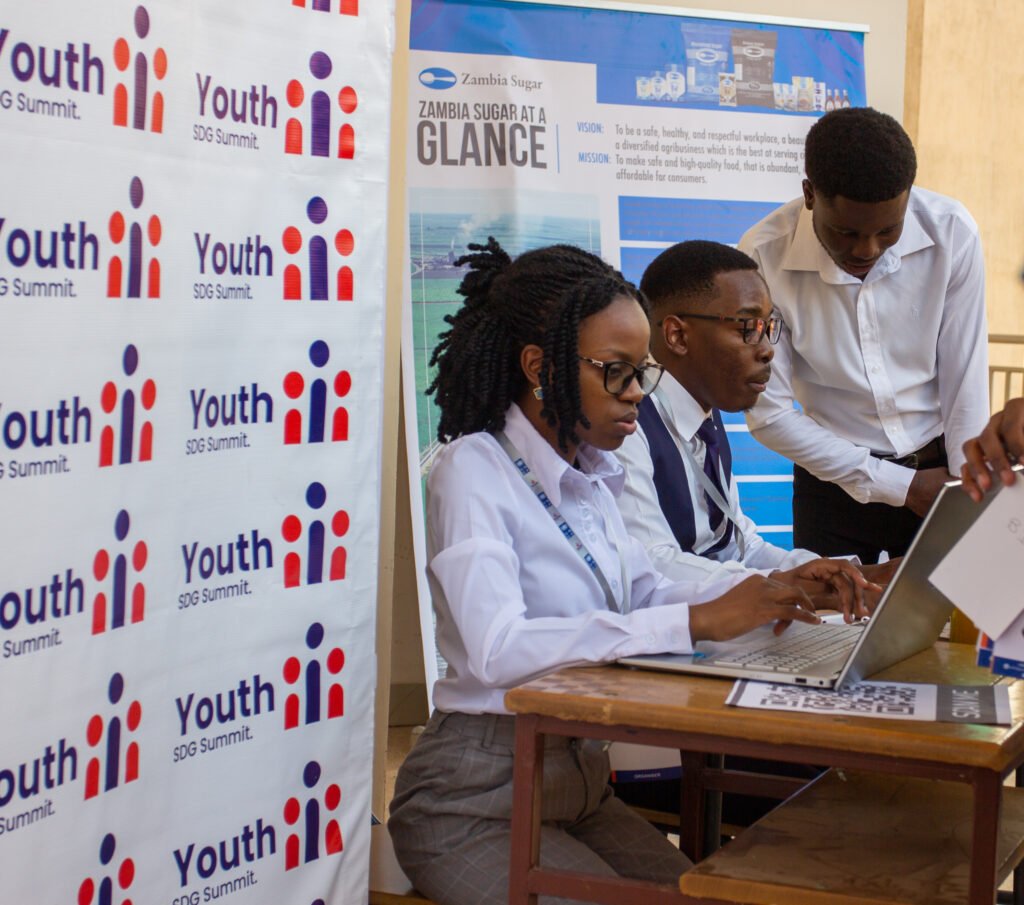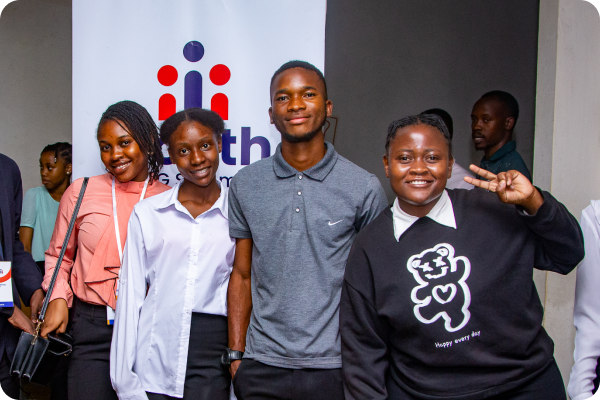
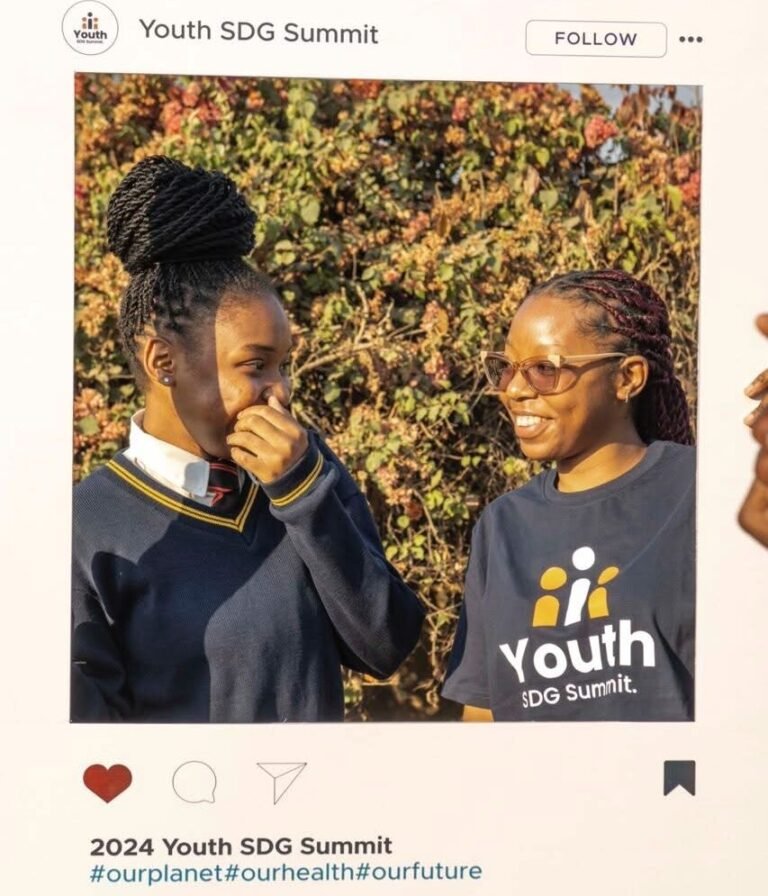
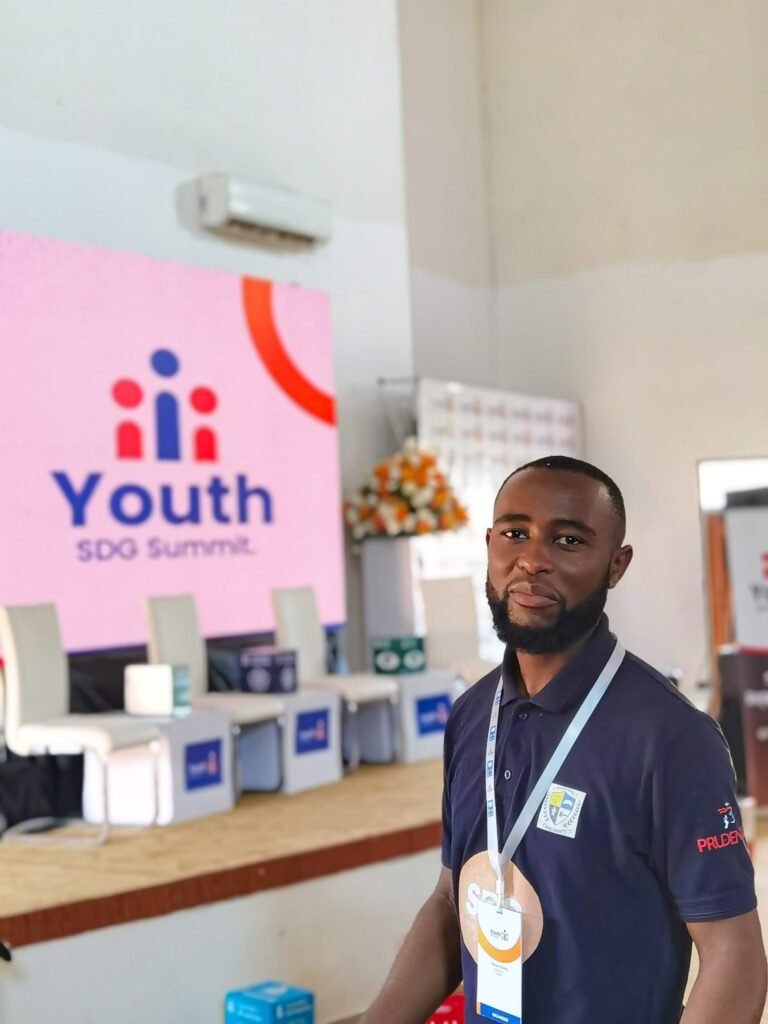
The growth of the Youth SDG Summit reflects more than increasing numbers; it signals a rising movement of young people stepping into spaces of influence and action. From an initial gathering of 200 participants in 2021 to over 1,500 in 2024, the Summit has expanded consistently year on year, demonstrating both demand and relevance.
Each edition has deepened its impact, moving from awareness creation to capacity building and now to a platform that actively connects young people with opportunities, partners, and pathways to lead change.
What makes this impact meaningful is what happens after young people leave the Summit. Participants have gone on to initiate community projects, establish grassroots organisations, and develop innovations that respond to real challenges in climate action, mental health, and civic engagement.
The Summit serves as a catalyst, equipping young people not only with knowledge but with the confidence, networks, and direction to take ownership of sustainable development in their communities, contributing to a growing ecosystem of youth-led change across Zambia.
In 2025, the Funding for Youth Capacity Building Programme was introduced to address one of the most critical barriers young changemakers face: access to resources. Through this initiative, young leaders were trained in resource mobilisation, proposal development, and strategic engagement with partners, working closely with experienced experts and institutions to refine their ideas into fundable solutions.
The results have been both immediate and significant. Already, 40% of participants from the cohort have successfully secured funding and partnerships with organisations across the globe, enabling them to move their initiatives from concept to implementation. This programme reflects a deliberate shift towards building financially sustainable youth-led solutions, ensuring that ideas generated through the Summit are not only inspired but also resourced, supported, and positioned for long-term impact.
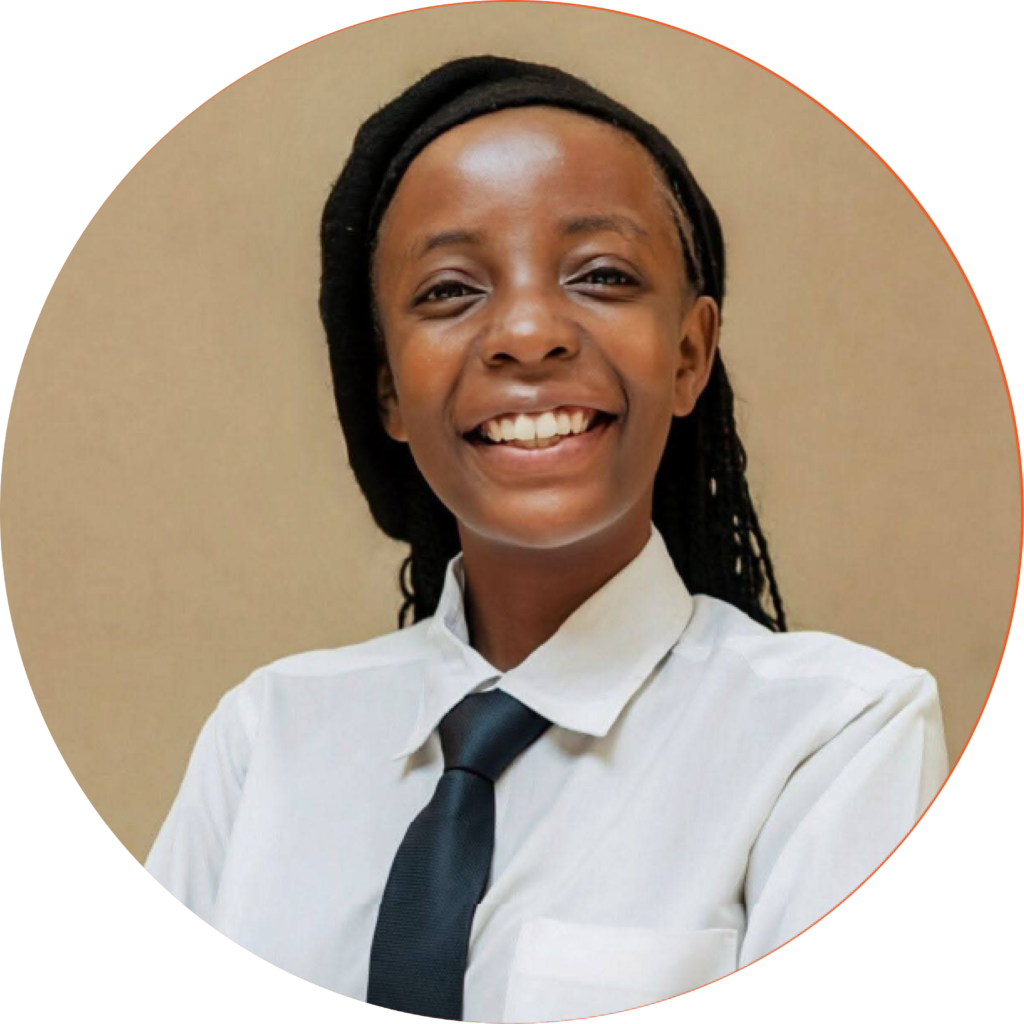
The Summit inspired Kuzipa to move beyond admiring changemakers and become one. Motivated by the stories and leadership she encountered at the Summit, she founded Clean Up Local, a youth-led environmental health initiative that tackles poor sanitation and waste management in Zambia. Through school outreach, community clean-up campaigns, and hygiene awareness programmes, the initiative has trained 25 WASH volunteers, reached 1,957 students, and directly engaged 50 community members, empowering young people to lead healthier and more resilient communities.

The Summit equipped Lucky with practical skills in resource mobilization, project management, and networking. Since then, he has used those skills to reach more than 10,000 young people through youth leadership and development initiatives while serving as Chairperson of the EU Youth Sounding Board, coordinating a national network of 25 youth leaders. He co-founded FOODit Zambia to strengthen food security and create economic opportunities through sustainable agriculture. His work has also reached over 600,000 people through public awareness campaigns and has earned him two national innovation awards.

The Funding for Youth Cohort equipped Rebecca with proposal-writing skills and the confidence to turn her vision into action. She went on to establish Play for Inclusion, a play-based learning initiative that empowers children with disabilities to understand their rights, build confidence, and participate fully in their communities. To date, the initiative has reached more than 150 children, creating safe and inclusive spaces where they can learn, play, and thrive.
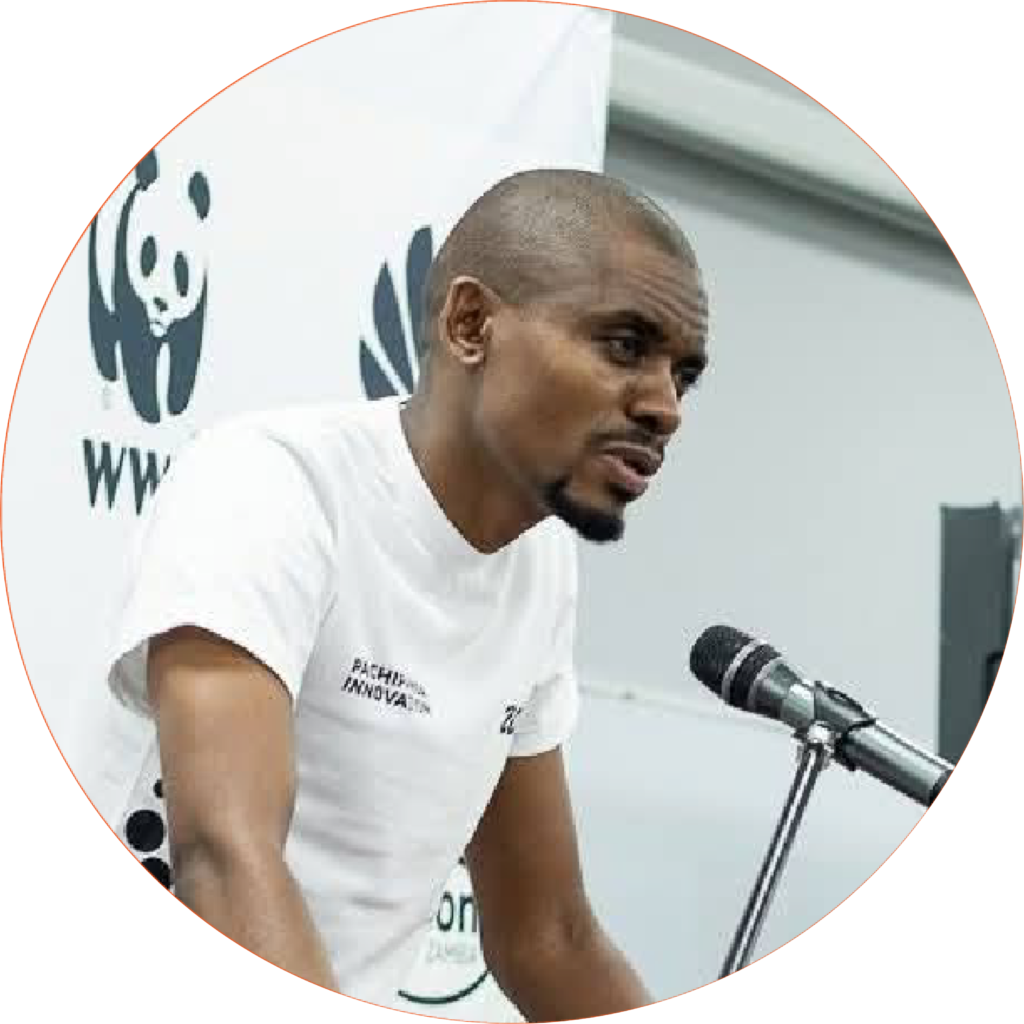
The Summit helped Fred refine his scaling strategy by strengthening his approach to partnerships, resource mobilization, and sustainable growth. Building on these insights, he developed one of Zambia’s first carbon accounting awareness platforms, a digital tool that helps individuals and organizations understand their carbon footprint and take practical action toward more sustainable lifestyles. Since its beta launch, the platform has engaged more than 1,500 users, including students, academics, civil servants, small businesses, and community members.